Spotting Phishing Scams Before They Catch You
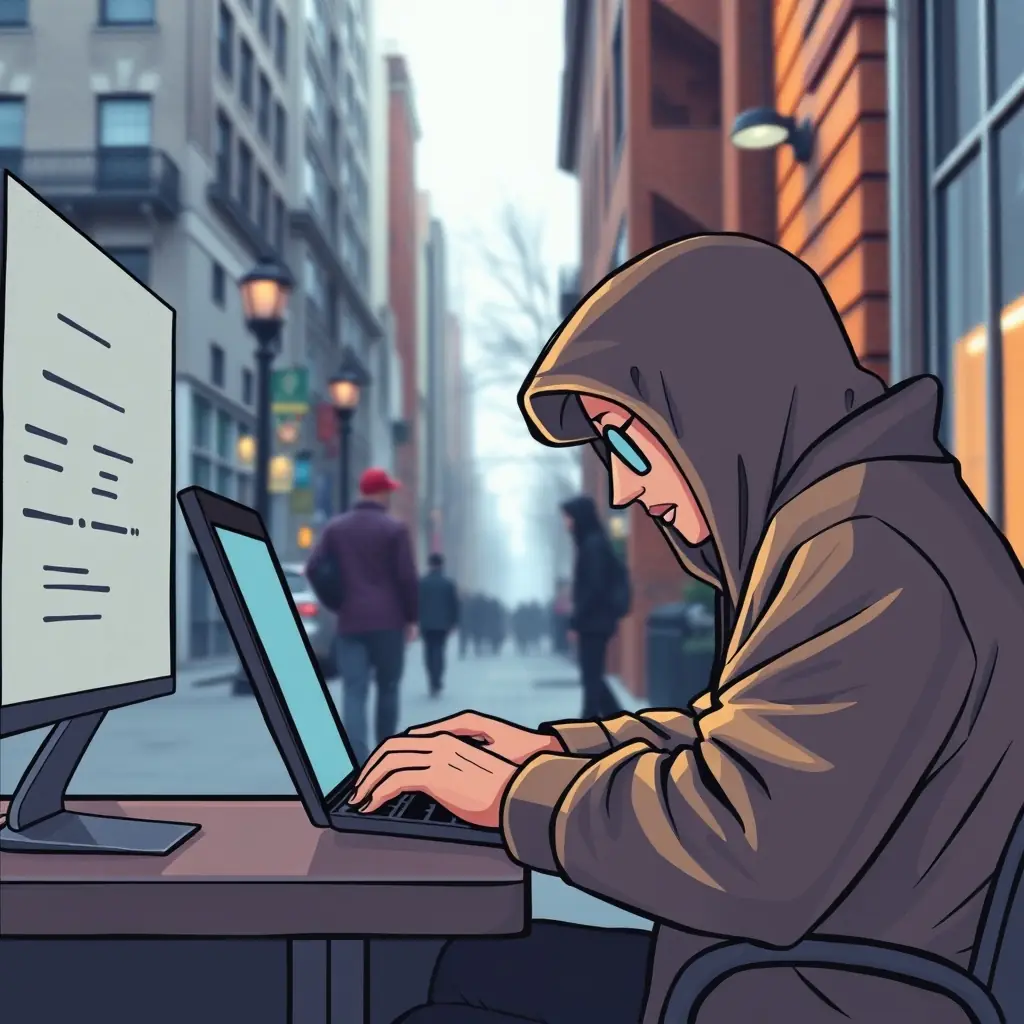
In the world of online banking, phishing scams are as common as they are dangerous. I once received an alarming email that appeared to be from my bank, urging urgent action due to 'suspicious activity.' But something felt off. The language was slightly awkward, and there was a strange hyperlink masquerading as the bank's site. In reality, these emails attempt to lure you into giving away account details on a fake webpage that looks just like your bank's. To protect yourself, always hover over links to preview the URL without clicking it. Only follow links directly from your bank's official website. Whenever I'm uncertain, I immediately call my bank using the number from their official app—not the email. This method has saved me from diving headfirst into scams more than once. It's crucial to be skeptical and cautious. Remember, banks will never ask for your password or PIN via email or text. Ultimately, staying informed about the latest phishing strategies is your first line of defense against fraudsters.
Strengthening Passwords and Embracing Two-Factor Authentication
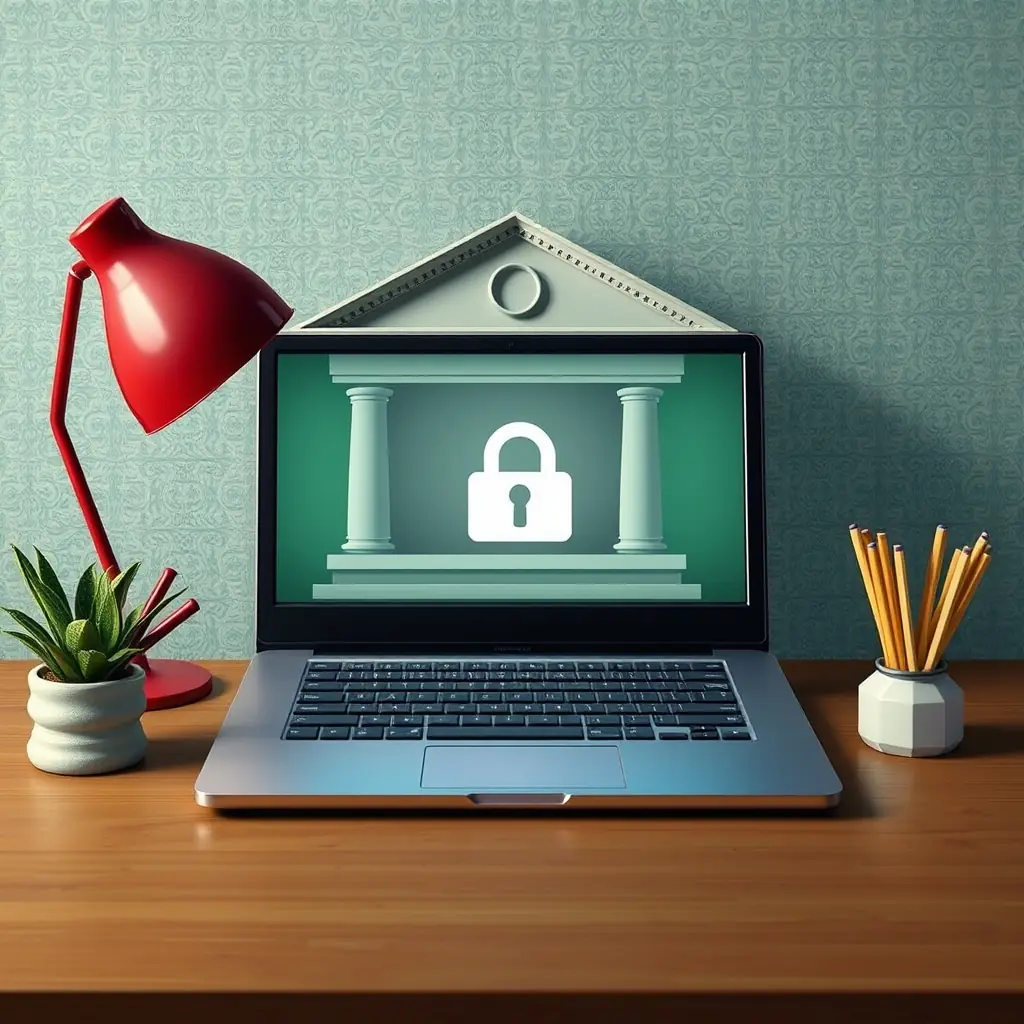
Let's talk about passwords. They are often the weakest link in our online security chain if not handled correctly. People tend to opt for easy-to-remember ones like '123456' or even 'password.' I used to be guilty of this until I experienced a minor security breach. It was a wake-up call. Now, I create passwords that are at least twelve characters long, incorporating upper and lowercase letters, numbers, and symbols for complexity. Also, I make a point to refresh them every few months. Equally important, enabling two-factor authentication has added an invaluable extra layer. A hacker might guess a password, but without the second factor, they won't get far. Whether it's a text confirmation or an app-generated code, this step drastically reduces the risk of unauthorized access. It's more than worth the slight inconvenience. These are non-negotiable practices in securing my account—and they should be for you too.
Navigating the Risks of Public Wi-Fi and Account Compromises
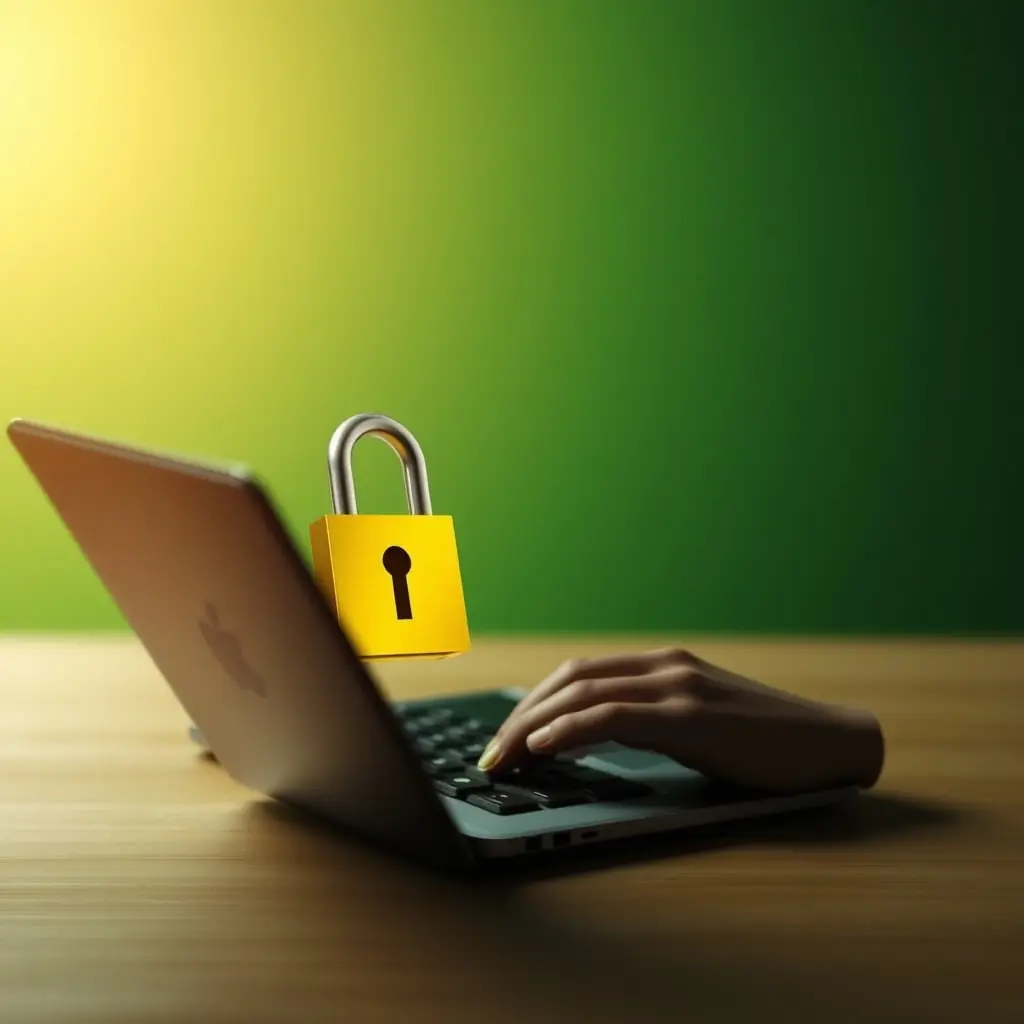
Public Wi-Fi can be a digital minefield when it comes to banking online. Once, when I accessed my account at a café, some unknown program popped up—a classic man-in-the-middle attack waiting to happen. That taught me a lesson. Now, whenever I'm out and need to check my bank balance, I use my cellular data or, even better, a VPN if it's unavoidable. VPNs encrypt my data and make my online transactions far more secure. But let's face it, mistakes happen. If your account info ever becomes compromised—even a slight suspicion—immediately alert your bank. Swift action can minimize the damage. Your bank may even notice the unusual activity before you do, leading to temporary account freezes until security is restored. Staying proactive not only involves safeguarding yourself online but also knowing how to respond quickly if something goes awry. Your vigilance is key in the digital world.