Strong Passwords and Two-Factor Authentication
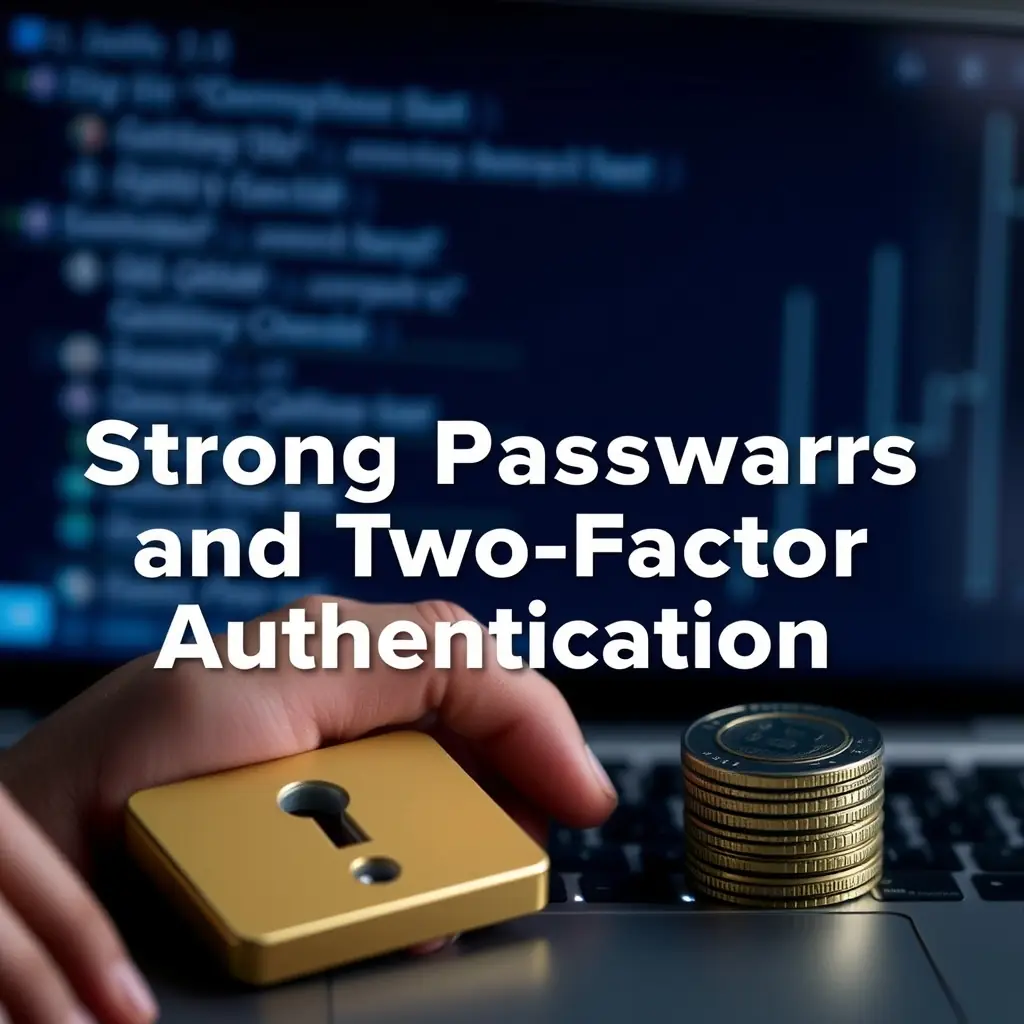
There's a certain peace of mind that comes from knowing your online banking account is secured with a strong password and two-factor authentication (2FA). I've been using online banking for years, and the reality is, the strength of your password is just the starting point. A robust password combines a mix of uppercase and lowercase letters, numbers, and symbols. Avoid using obvious words like 'password' or '123456'. When paired with 2FA, this creates a formidable deterrent to unauthorized access. 2FA typically sends a unique code to your registered device, which you enter to confirm your identity. It's an extra step, sure, but it's also an extra layer of security. You might wonder if it's worth the hassle. Trust me, it is. I always prioritize these protocols not only because they protect my finances but also because they remind me that a diligent approach minimizes online threats. If you're skeptical about a new device accessing your account, contact your bank directly through their official app or customer service line for additional guidance.
Recognizing Phishing and Scam Messages
Phishing scams are notorious for mimicking legitimate bank communications to steal your personal information. It's shocking how convincing these fake emails or texts can be; they might even use your bank's logo and branding. I've learned the hard way not to click on any links or download attachments from unexpected communications. If an email asks for personal or banking details, it's a red flag. Banks never request sensitive information via email. If you're uncertain about a message's authenticity, don't hesitate to call your bank using the number on the back of your bank card or their official website. Another practical tip: scrutinize the email address for inaccuracies or misspellings. A keen eye can catch these discrepancies. In this digital age, it’s crucial to maintain a healthy skepticism towards unsolicited messages. Always verify before you engage. Your caution will go a long way in keeping scammers at bay.
Safe Public Wi-Fi Practices and Account Recovery Steps
We've all been tempted to check our bank balance while sipping a latte at the local café, but public Wi-Fi is a playground for hackers. I never log into my bank account on unsecured networks. If I must access sensitive data, I use a VPN (Virtual Private Network) to encrypt my connection. It's a small investment for peace of mind. Moreover, if you suspect your account has been compromised, act fast. First, change your passwords and secure your accounts. Then, contact your bank through their official app or website immediately for advice on further security measures. Banks often have dedicated fraud teams ready to assist and can monitor your account for unusual activity. It's also wise to regularly check your statements for unauthorized transactions. If something seems off, report it. Being proactive not only protects your finances but also gives you control in an unpredictable online arena.