
Timing Is Everything: Understanding Transfer Delays
I've learned the hard way that not all money transfers are instantaneous. Whether you're sending funds via a bank transfer or using a peer-to-peer payment app like PayPal, each method comes with its own timeline. For bank transfers, weekdays are your friends, while weekends or holidays can add on a day or two to the process. I always check the cutoff times for processing—those vary by bank and can greatly impact when your money actually hits the destination account. For quicker transactions, apps like Venmo and Cash App offer immediate transfers for a small fee, but even they can experience delays due to verification checks. An international wire transfer is a different beast entirely; it can take up to five business days, depending on the countries involved and any intermediary banks. I make it a point to always label my transfers clearly and provide all necessary details to avoid unnecessary holdups. Prioritize communication if you're sending large sums or time-sensitive payments; a simple call or email to confirm receipt can save you hours of anxiety. Every second counts when you're relying on these funds, so remember: planning ahead is your best bet.

Accuracy in Details: Double-Check Before Sending
I've been guilty of rushing through a payment and ending up with funds in limbo due to a minor typo. With online bill pay or sending money abroad, simple errors in account numbers, names, or SWIFT/BIC codes can result in significant delays, or worse, the funds going to an unintended recipient. I now double-check each detail before hitting 'send.' Many platforms offer the comfort of saving recipient details for future transactions, but don't let that lead to complacency; always verify against the latest information. Banks may update accounts or codes, especially during mergers or system upgrades. Another potential snare is currency conversion. I always check the exchange rates at the time and understand the fees involved, as they can subtly eat into your total. When it comes to regular bills, setting up automated payments sounds like a lifesaver, but I’ve found it essential to still monitor them for any unexpected changes or errors from the service provider's end. Keeping a checklist or using a digital assistant can be handy tools to ensure every transaction is as error-free as possible.

Security First: Protect Your Accounts
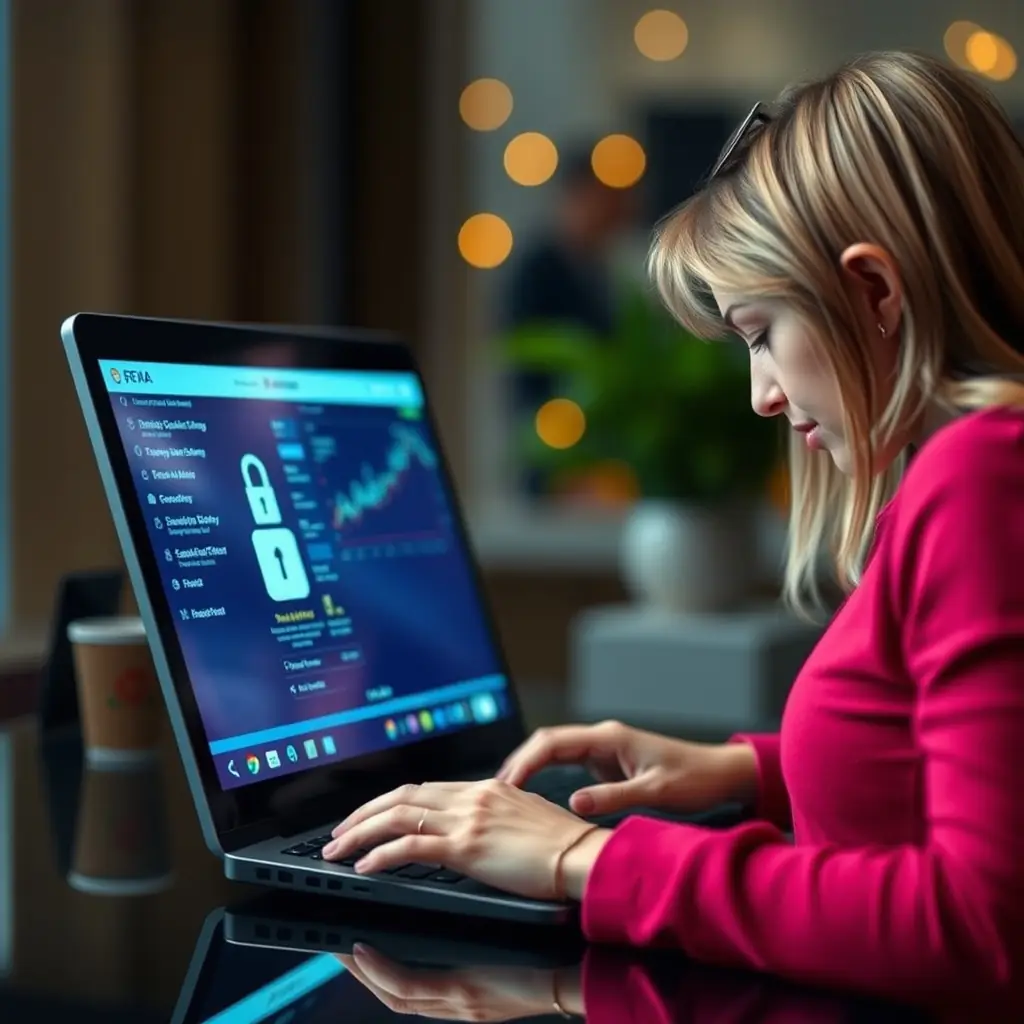
Despite the convenience of online banking and payment apps, security can't be overlooked. Hackers and scammers are growing more sophisticated, and I’ve had my share of scares. Firstly, enabling two-factor authentication on all my accounts has added an extra layer of security that offers peace of mind. Never underestimate the importance of a strong password; complex, unique passwords for each platform are non-negotiable. It's tempting to save passwords on my device or in the app for quick access, but I opt for a secure password manager instead. I've also learned to be wary of unsolicited messages claiming to be from my bank or payment app. Phishing scams often spoof legitimate entities and link to fake websites aimed at harvesting sensitive data. Always check the sender's email or the URL carefully before proceeding. Staying informed about the latest fraud tactics can help prevent these situations. I regularly review my transaction history for anything unusual and alert my bank immediately if something doesn't look right. At the end of the day, your vigilance is your first line of defense in safeguarding financial information.