Opening an Online Bank Account
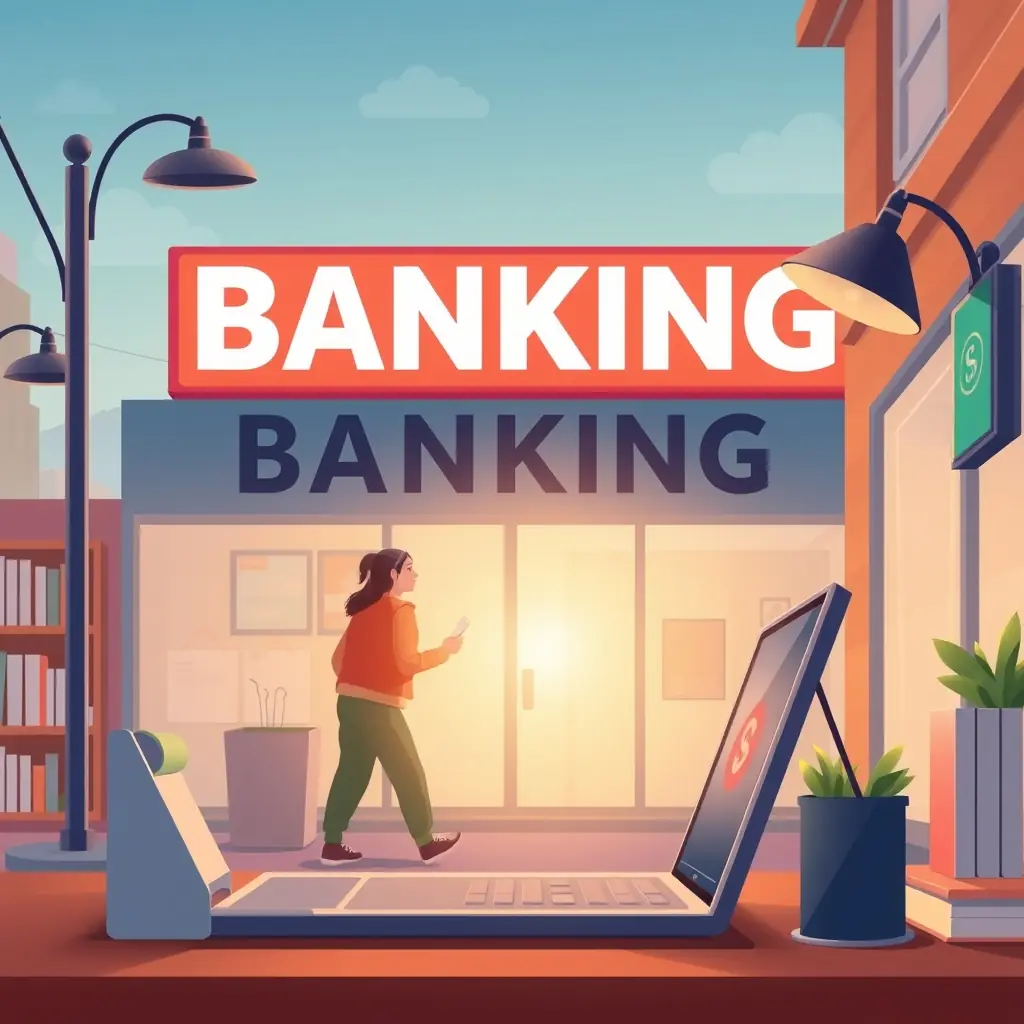
Opening an online bank account felt like a monumental step for me. I remember sitting at my desk, armed with a list of desired features: no monthly fees, mobile deposit capabilities, and convenient customer support. The first step was finding a bank that ticked these boxes. I started by comparing options on review sites, prioritizing institutions with solid security features. Signing up was straightforward but required a bit of patience. Many banks require identity verification, so having your social security number and a valid ID handy is essential. Once verified, I chose a debit card design and set up online banking credentials. The key was setting the security features immediately. I enabled two-factor authentication for extra peace of mind. Now, my bank sends a text each time there's suspicious activity, a feature I highly recommend. Overall, the process took less than half an hour, but it set the stage for managing my salary with convenience. And if you're worried about potential fees, remember—these vary by bank, so it's worth checking their current terms regularly.
Mastering Banking Apps and Alerts
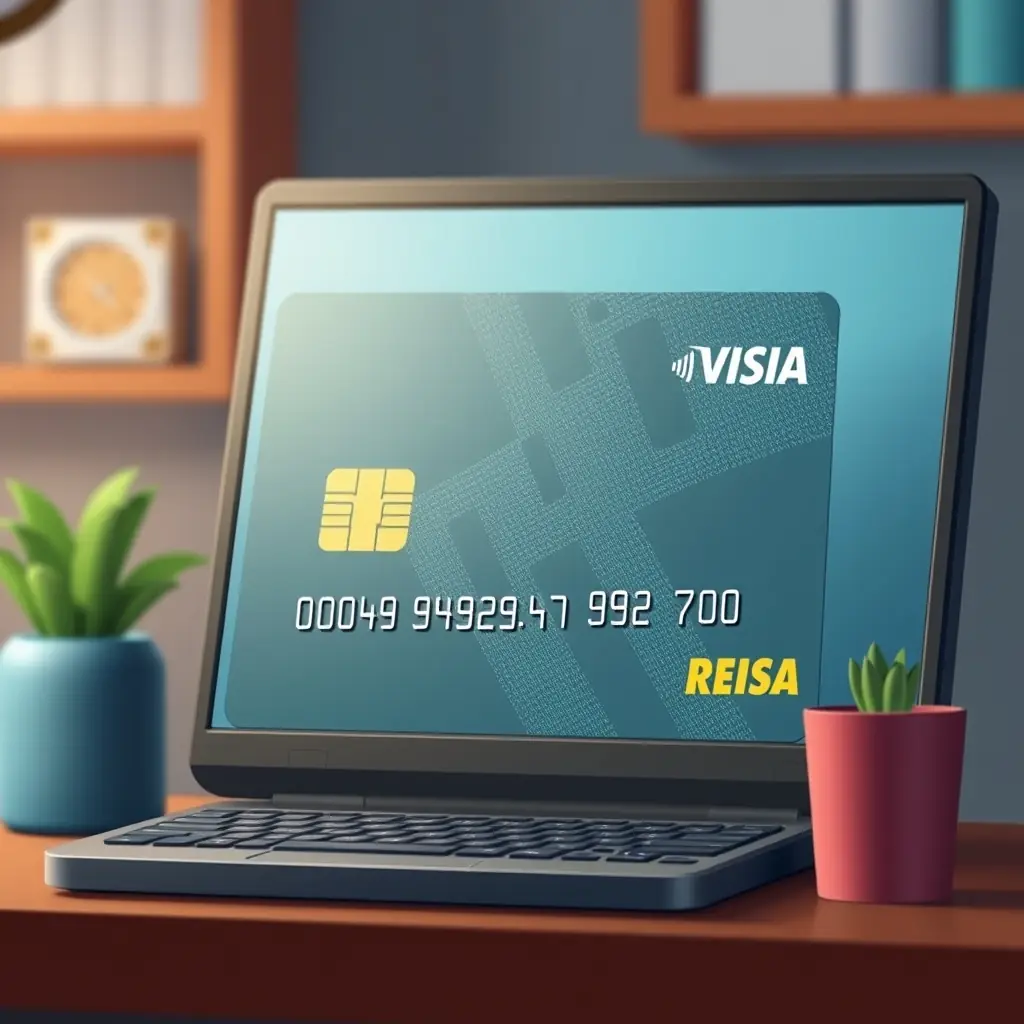
Banking apps are my financial secret weapon. The app I use turns my smartphone into a miniature bank branch. I can transfer money between accounts, check balances, and even deposit checks by snapping a photo. Initially, managing everything digitally felt daunting, but the app's user-friendly design quickly won me over. One feature I find invaluable is the ability to set up custom alerts. For instance, I get notifications for low balances and upcoming due payments. This proactive element helps avoid unexpected overdraft fees and ensures I’m always in the loop with my spending habits. Setting it up involves a short foray into the app's settings menu, where customization options abound. You can modify alert types, reminding you about bill due dates days in advance or notifying you of any large transactions. It took some trial and error to find the right balance of alerts—one that informs without overwhelming. Having this level of oversight, all through an app, instills confidence as I navigate my salary management on the go.

Switching Banks: What to Consider
I've switched banks a couple of times, and each transition brought both challenges and rewards. The decision often starts with dissatisfaction—maybe fees are creeping up, or customer service isn't responsive. Whatever the reason, the switch needs careful planning. The first step is opening a new account before closing the old one. This overlap ensures you don’t miss a bill payment in the transition. Direct deposits, particularly salary payments, need your attention. I always notify my employer of the change well in advance. Many employers require a voided check or an official letter from your new bank. Account numbers must be updated for online subscriptions and automatic bill payments too. Gradually, reduce the funds in the old account until it’s safe to close. I usually maintain a small balance for final transactions, then close it after everything has moved smoothly. Remember, each bank's policies and promotional benefits differ, so research each option thoroughly and check their terms to make an educated decision about making the switch work for you.