Navigating Checking and Savings Accounts
In managing my finances, distinguishing between checking and savings accounts is paramount. Checking accounts serve as my go-to for daily transactions like bill payments or shopping, thanks to the ease of debit card access and online transfers. They typically don’t offer much in interest, but they serve a critical role in everyday financial tasks. Savings accounts, on the other hand, are where I stow away my money to earn some interest over time. The interest rates vary, but they're generally higher than checking accounts. Using both, I can manage my daily expenses while steadily growing a reserve fund. The trick is finding a bank that offers low fees and easy access through its online platform. Overdraft fees can catch you off-guard, so I always check my balance regularly to avoid unwanted costs. Both types are usually insured by the FDIC, giving me peace of mind that my deposits are secure, though it's crucial to verify coverage limits. Regularly reviewing terms ensures I'm not caught off-guard by any policy changes, especially with online banking giants constantly updating features to attract more users.

Exploring High-Yield Savings to CDs
Transitioning from savings to investment options like high-yield savings and CDs (Certificates of Deposit) transformed how I grow my money. High-yield savings accounts offer better interest rates, though they might require a higher minimum balance. I find them excellent for mid-term goals, offering better returns without sacrificing liquidity entirely. On the longer-term end, CDs lock in your money for a set period. Typically, the longer the term, the higher the interest rate, making them a reliable source of guaranteed returns if you don't need immediate access to funds. However, the penalty for early withdrawal means I plan carefully when choosing CD terms to avoid recourse. I always suggest checking whether they’re covered by FDIC insurance, which adds an extra layer of safety. While they don't offer the flexibility of savings or checking accounts, the higher returns can substantially boost my savings plan—key for long-term objectives.
Understanding Fees, Overdrafts, and Insurance
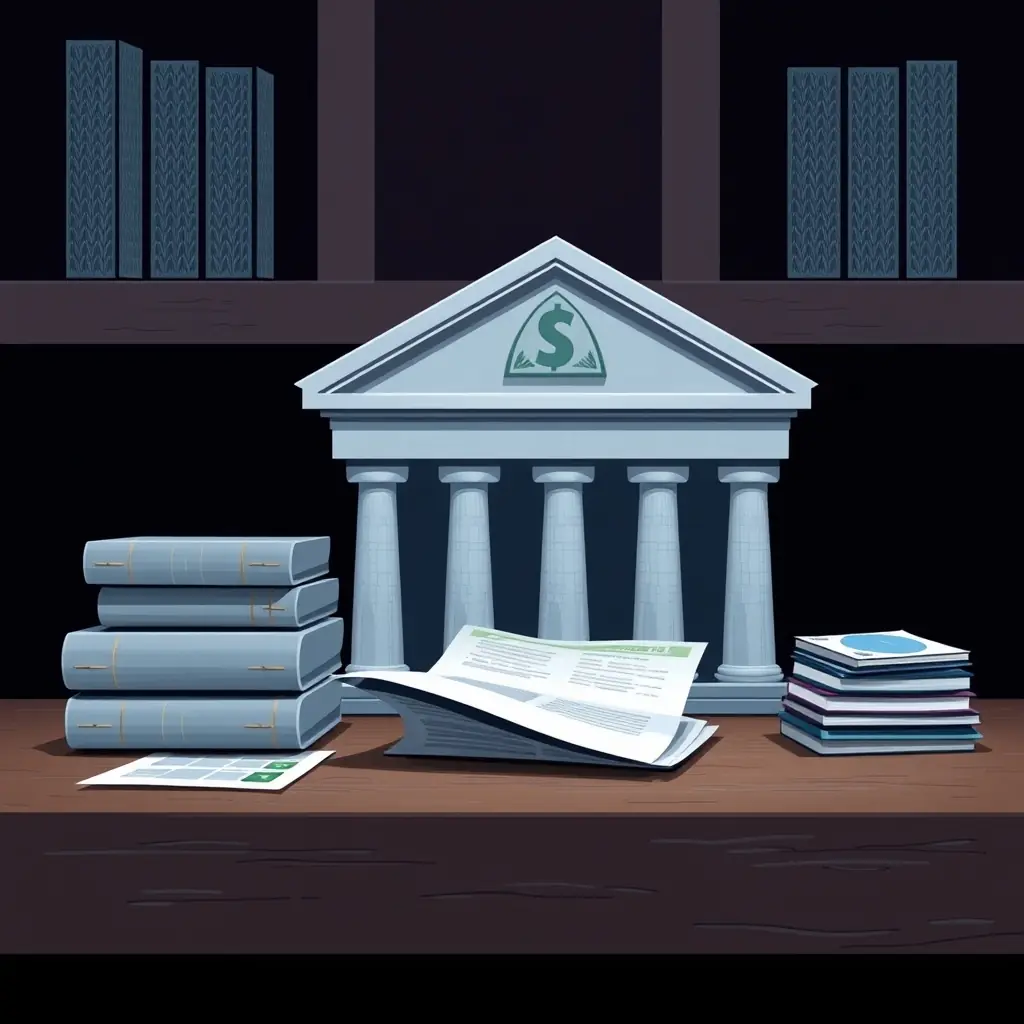
The bane of many banking experiences is the hidden costs that come with overdrafts and fees. When I first started using online banking extensively, I realized how easy it was to overlook these details. Many banks charge substantial fees for overdrafts and excessive transactions, especially when using accounts that aren't geared towards frequent activity. Avoiding these fees requires mindfulness of account terms and conditions. I always look for accounts that offer no-fee options or rebate certain fees, a feature many online banks tout to draw customers. Furthermore, understanding how Federal Deposit Insurance Corporation (FDIC) coverage works is crucial. Though most accounts are insured up to $250,000 per depositor, per insured bank, it’s prudent to read the fine print. In the digital age, banks update their terms frequently, and my go-to practice is to keep up with their emails or notifications to stay informed. Utilizing these strategies helps me avoid unnecessary expenses and keeps my banking relationship transparent and productive.